
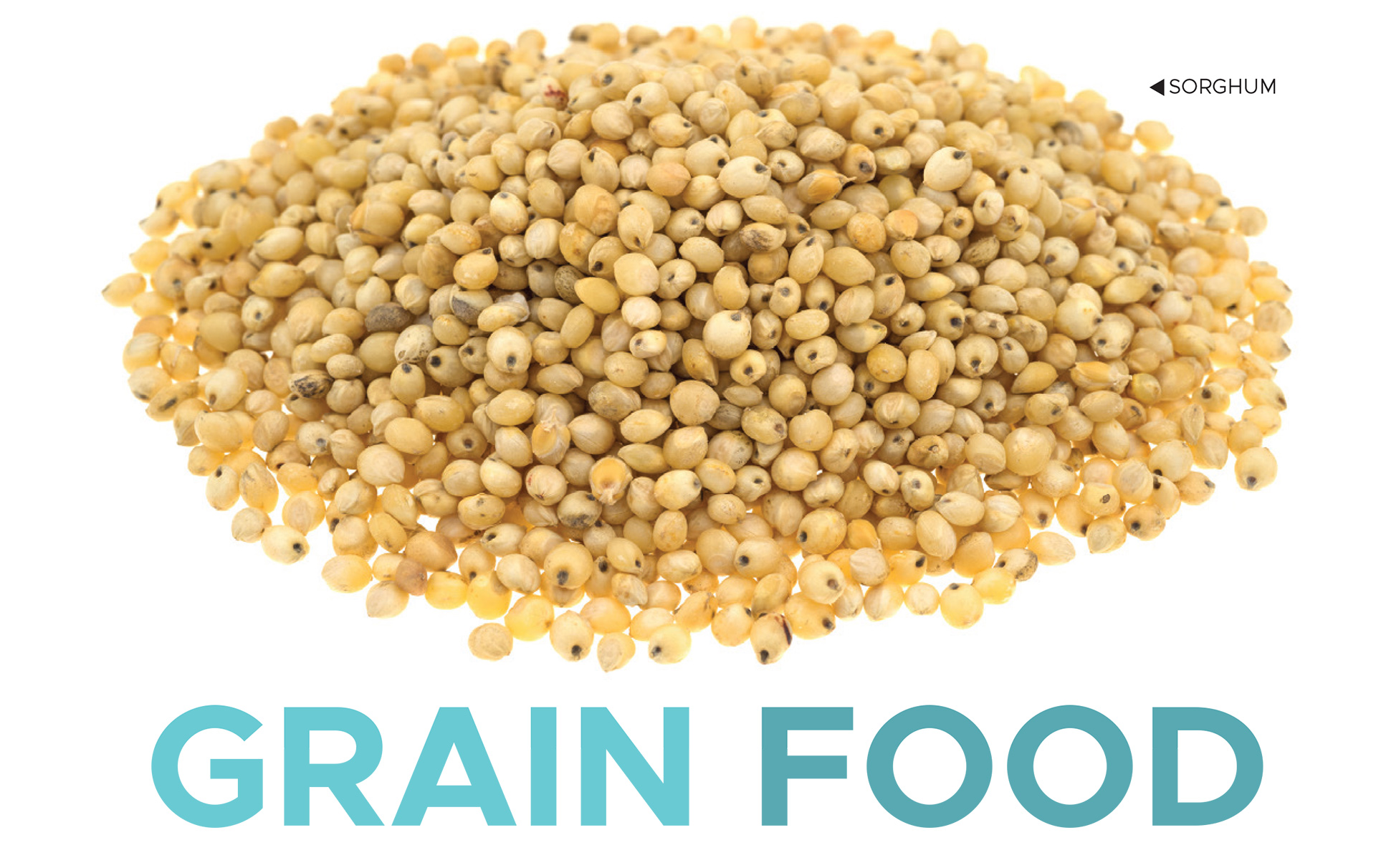
Grain Food
The wisdom of our ancestors remains pertinent: ancient grains, a category of grains that has remained largely unchanged over thousands of years, are brimming with essential vitamins, minerals, and fiber. They typically pack a stronger nutritional punch than common grains such as corn, rice, and wheat.
For centuries, these grains have been dietary staples in various parts of the world, providing substantial health benefits. Recently, they’ve made a notable appearance in North America, experiencing a surge in popularity. In a world increasingly focused on natural, nutrient-dense foods, these grains have become highly sought after.
So, let’s explore three of these ancient grains. They’re worth experimenting with in your kitchen, adding to your favorite recipes for both their unique flavors and their powerful nutritional profile. Their incorporation will undoubtedly elevate your dishes, creating wholesome meals that taste as good as they make you feel.
 GOOD AMARANTH
 GOOD AMARANTH
 A great gluten-free option for thoseGrain Food on gluten-free diets.
Amaranth, which is actually a pseudocereal rather than a grain, was once a staple food for the Mayan civilization.
Research studies have shown that it may be beneficial in reducing heart disease risk.
CALORIES* 103 | CARBS 65
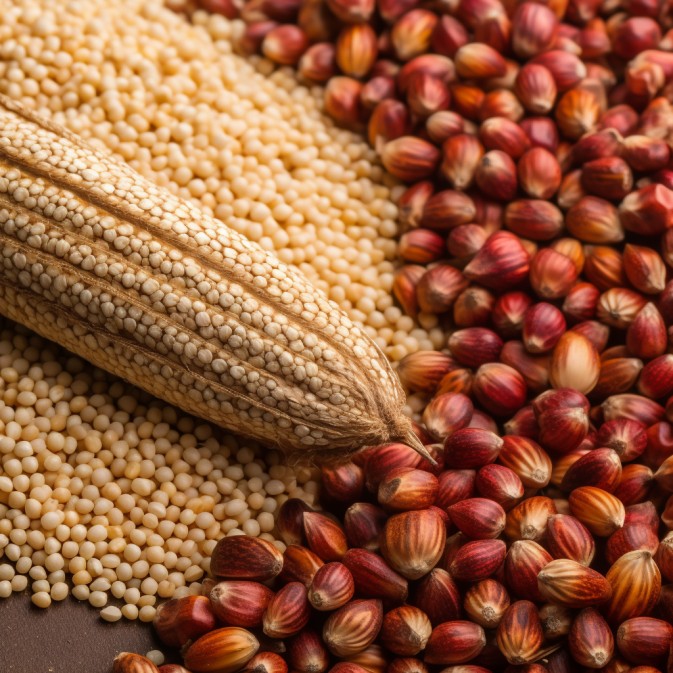
BETTER SORGHUM
 BETTER
 Mild in flavor, sorghum can be ground easily to be used as a gluten-free flour substitute.
Sorghum is a good source of polyphenols, which work as antioxidants in your body, battling cell damage.
Looking to eat more protein? Sorghum has 22 grams of protein in a one-cup serving.
CALORIES 329 | CARBS 72
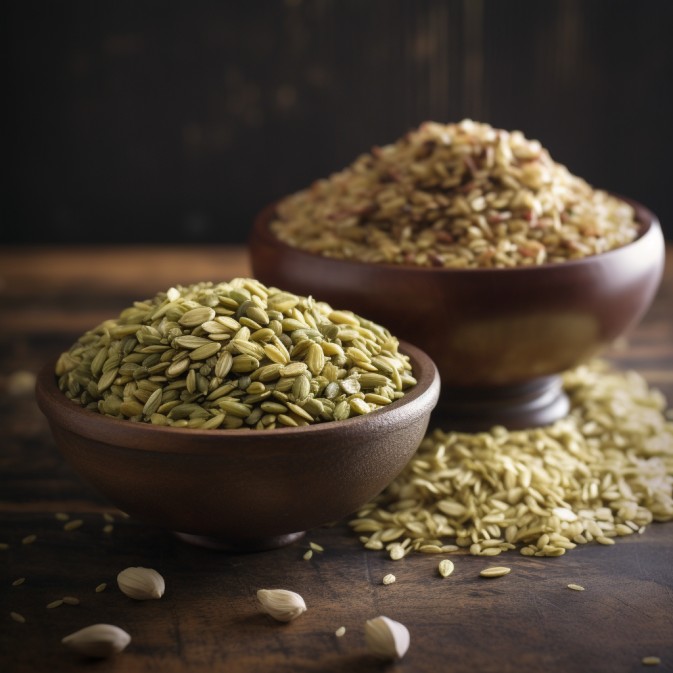
BEST FREEKEH
 BEST
BEST A Middle Eastern staple, freekeh (pronounced “free-Kah”) is made from green durum wheat and is not gluten-free.
Besides having 20 grams of protein in a one-cup serving, freekeh also is a good source of carotenoids, namely lutein and zeaxanthin.
Freekeh contains prebiotics, which help feed the good bacteria in your gut.
CALORIES 325 | CARBS 65
*per 100 grams