
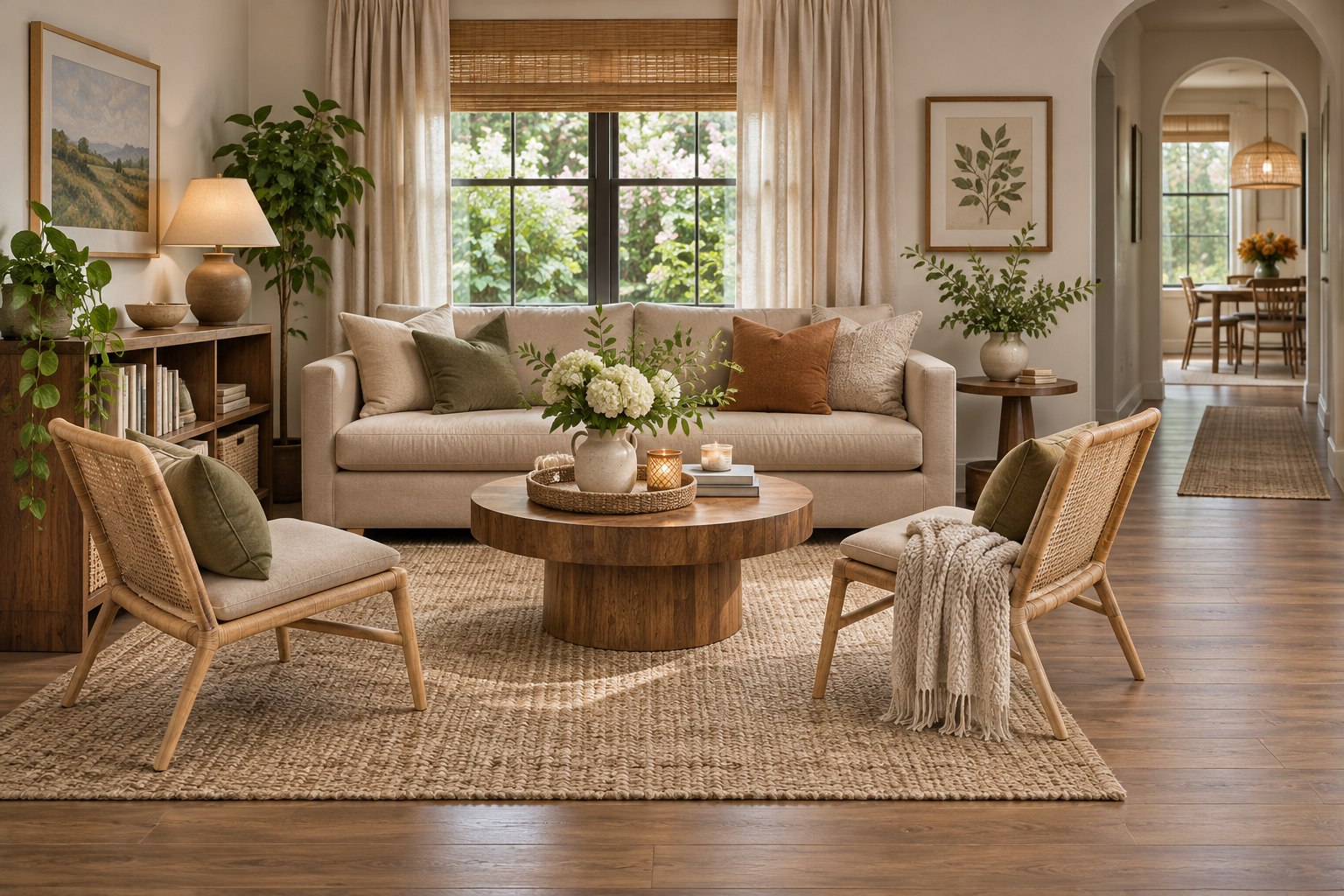
Flexible living room ideas are having a timely moment. As gatherings move indoors, the room that usually handles television, reading and quiet evenings may suddenly need to support conversation, dinner overflow and an overnight guest—sometimes in the same weekend.
A 2026 Thumbtack survey of 1,010 U.S. homeowners called this idea the “flexing room.” More than half said the living room changes purpose when holiday guests arrive. The sample does not represent every Canadian household, but the underlying problem will feel familiar: the space is not necessarily too small; it simply needs a clearer plan for changing jobs.
The goal is not to buy a houseful of convertible furniture. It is to make the room easier to shift and easier to restore.
Begin with the job the room does every day
Before moving anything, name the living room’s normal purpose. Is it where two people watch television? Where grandchildren play? Where you read with a coffee? That daily use stays in charge. A holiday arrangement should be reversible, not a month-long inconvenience.
Take a quick photograph of the room in its usual state. Then identify the pieces that are genuinely movable: a side table, floor lamp, ottoman, basket or accent chair. Large furniture does not always need to migrate. Often, changing two or three smaller pieces creates the space you need.
Keep one nearby landing zone—a console, shelf or cleared tabletop—for glasses, keys and small bags. Guests are less likely to scatter belongings when the room quietly shows them where things go.
Flexible living room ideas start with three zones
Think in zones rather than a single perfect arrangement.
1. The conversation zone
Seats do not need to match, but they should face one another well enough that people can talk without turning sideways all evening. Pull an accent chair inward. Add a sturdy dining chair if needed. Place small surfaces within reach so no one balances a cup on the floor.
Resist lining every chair against the wall. A loose circle or U-shape feels more intentional and usually improves conversation. Leave a clear route to the doorway, washroom and kitchen.
2. The overflow zone
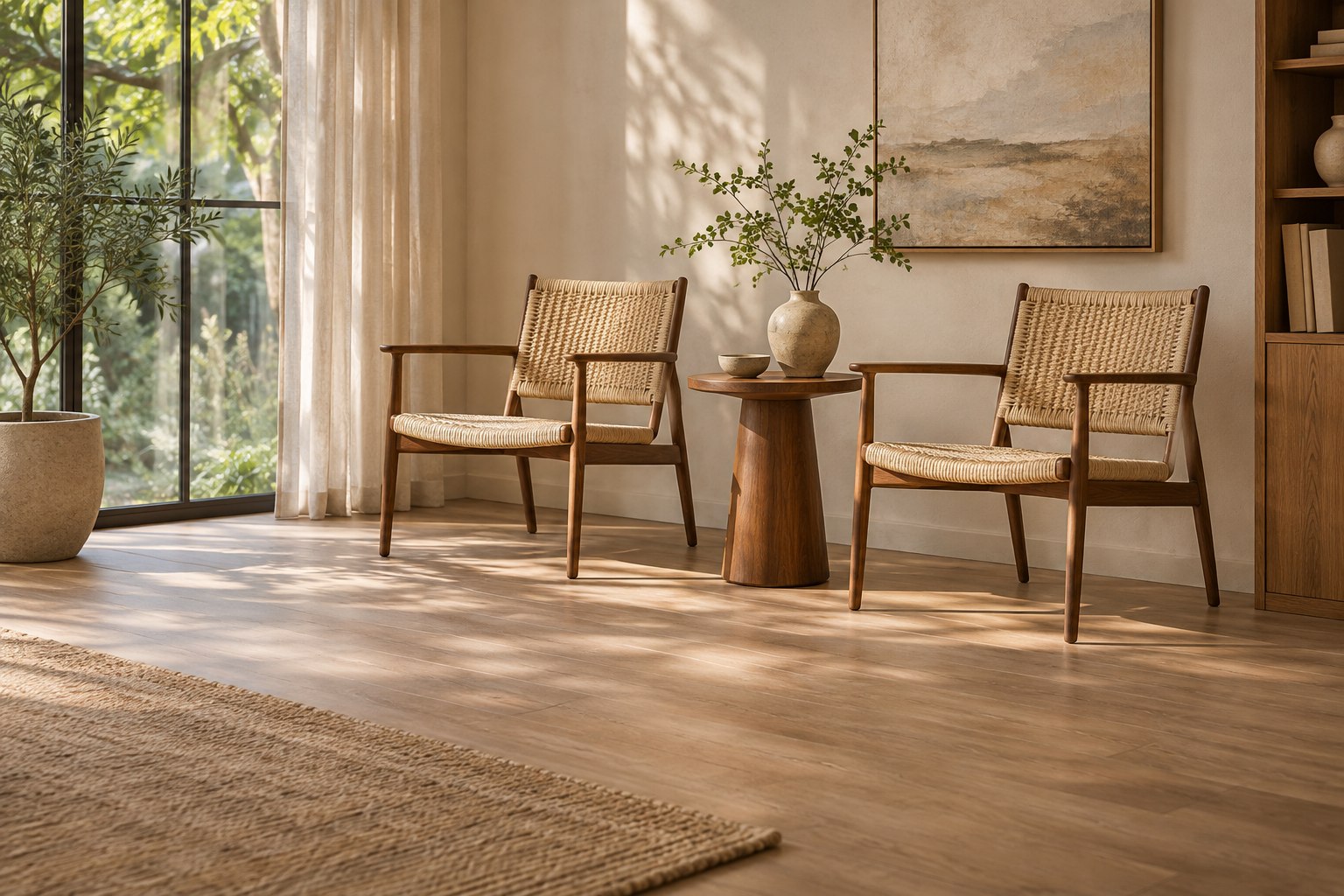
If dinner spills beyond the table, decide whether the living room will support seated eating, drinks and dessert, or simply a place to wait. Trying to do all three can create clutter.
A console can become a beverage station. An ottoman with a firm tray can hold napkins or small plates. A folded table can work for dessert, then disappear after serving. D’FYNE’s guide to hosting dinner with less stress uses the same principle: assign each surface a job before guests arrive.
3. The overnight zone
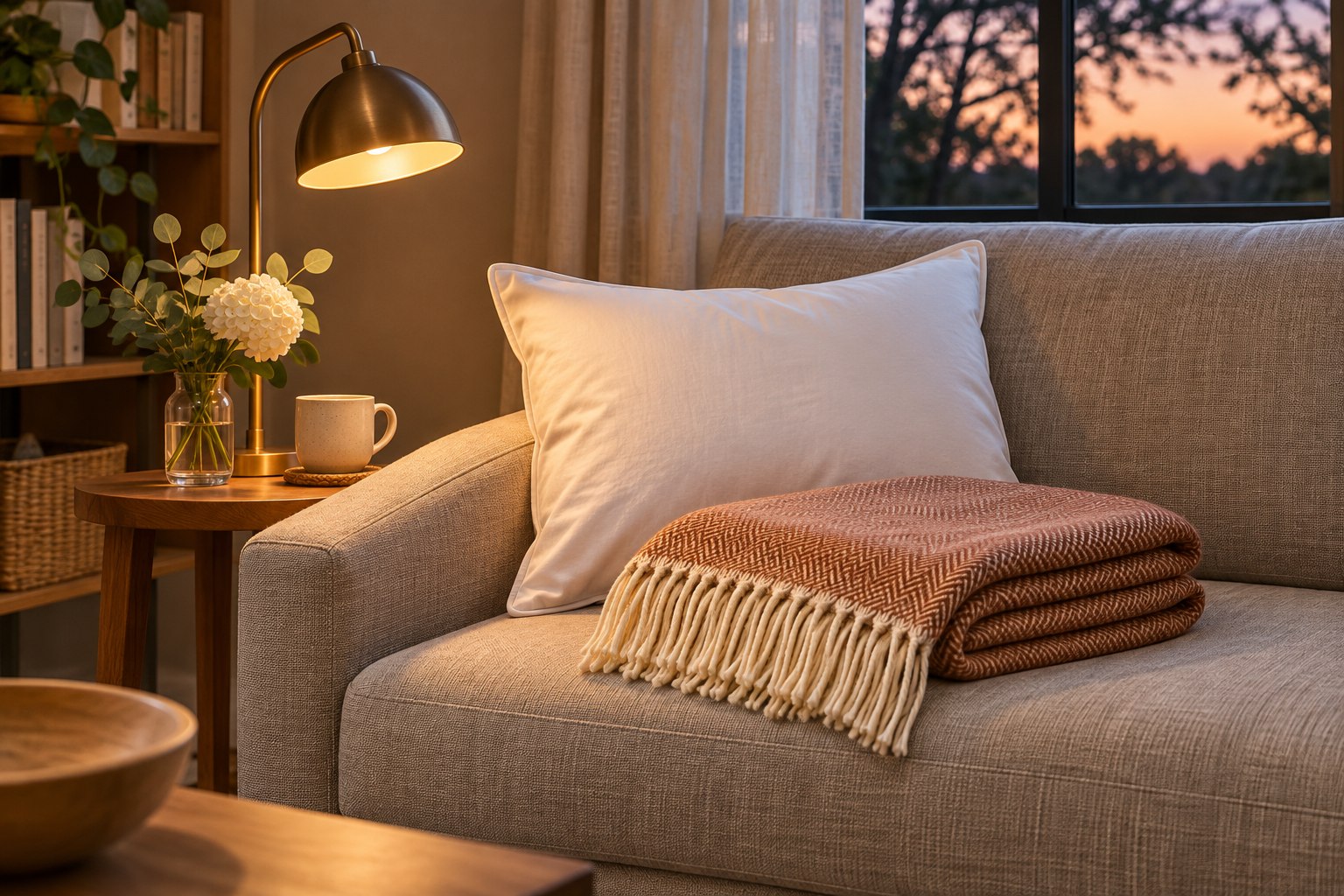
If the room becomes a sleeping space, privacy and morning logistics matter as much as the bed. Decide where the guest can place a phone, water and clothing. Provide an outlet that does not require a cord across the walking path. A folding screen or a tension-mounted curtain can create separation, but only if it can be stored easily afterward.
Prepare the bedding as one complete kit—sheet, pillowcase, light blanket and towel—rather than collecting pieces at bedtime. A labelled zippered bag or lidded bin makes the transition faster and the morning reset less mysterious.
Move the light before you move the sofa
Lighting changes the perceived function of a room quickly. Keep the bright overhead option for setup and cleanup, then use two or three lower sources for conversation. A portable rechargeable lamp can add light without creating another cord.
If you do use extension cords, keep them out of doorways and walking paths. Health Canada’s current holiday home-safety guidance warns against running electrical cords through or across doorways or under carpets, where they may be pinched, damaged, overheated or become a tripping hazard.
That safety check is especially important when furniture has moved and familiar routes no longer feel familiar.
Create a 15-minute changeover basket
A single basket can hold the small things that make a room switch roles: coasters, felt pads, charging cable, reading light, spare waste bag, stain cloth and the remote controls that otherwise vanish when cushions move.
Keep a simple paper list inside the basket:
- move the accent chair;
- bring in two dining chairs;
- clear the console;
- set out coasters and lamps;
- check the walking path;
- return everything the next morning.
This is not about turning your home into a venue. It is about reducing the number of decisions you make while the doorbell is ringing.
Borrow before buying
If the room changes purpose only a few times a year, borrow folding chairs, a luggage rack, a small table or extra bedding. If you are considering a purchase, let the recurring problem identify it. A storage ottoman may earn its footprint if it holds guest bedding every day. A nesting table may be useful if drinks routinely end up on the floor. A complicated sleeper sofa may not be the answer if guests rarely stay over.
The International Housewares Association’s 2026 entertaining survey found that spending time with friends and family was the leading reason respondents planned home gatherings. That is a useful design brief: support connection first; style the room second.
Plan the reset before the gathering
The final job of a flexible room is becoming itself again. Put temporary items in one staging place rather than several. Photograph the guest arrangement if it worked well, then use the original photo to restore the room.
D’FYNE’s autumn home reset is a useful companion for clearing seasonal clutter before the room needs to flex.
A room that does three jobs does not need three sets of furniture. It needs clear zones, open pathways and a reset that can happen while the coffee brews. When the arrangement is easy to reverse, hosting feels less like a takeover—and the living room still belongs to you on Monday morning.