

Somewhere between the group text and the first knock at the door, a
simple dinner can become a private production. The menu expands. The
house suddenly needs attention in rooms nobody will enter. A host who
wanted company spends the evening checking the oven.
A stress-free dinner party starts with a smaller promise: offer
people a comfortable place to sit, something good to eat and enough calm
to enjoy them. That is not lowering the standard. It is choosing the
part of hosting that guests remember.
Canada’s Food Guide encourages cooking more often and eating with
others. The World Health Organization’s 2025 report on social connection
also describes connection as important to well-being. Dinner does not
need to carry the weight of solving loneliness. It can simply create one
dependable opening for conversation.
Decide what kind of evening
it is
Before choosing recipes, finish this sentence: “This is a relaxed
dinner for six, from 6:30 to about 9:30.” A clear frame prevents the
event from expanding in every direction.
Choose a guest list that fits your table, your energy and the
conversation you want. Six people may feel generous in one home and
crowded in another. If a friend asks what to bring, give a real answer:
bread, dessert, sparkling water or nothing. Vague politeness creates
duplicate salads and last-minute messages.
If you enjoy moving while you talk, borrow the spirit of D’FYNE’s
walking-club guide and invite one friend to arrive twenty minutes
early for a short walk. It creates an easy transition into the evening
and gives you company without adding another task.
Build a menu with one main
event
The most useful hosting rule is one dish that needs your attention.
Everything else should wait well, reheat well or arrive ready to
serve.
For an autumn dinner, that might mean:
- A sheet-pan chicken, salmon or tofu dish as the only timed
item. - A grain or roasted-vegetable salad made earlier in the day.
- Good bread with olive oil or a simple spread.
- Fruit, bakery dessert or something a guest brings.
This is not the night for three recipes that all require the oven at
different temperatures. Nor does every preference need its own separate
meal. Ask about allergies and essential dietary needs when you invite
people, then choose a menu with components guests can combine.
Repetition is an advantage. A dish you have cooked twice is a better
party choice than a dramatic recipe you have only admired online.
Confidence leaves room for conversation.
Use a two-hour hosting
timeline
The day before, shop, chill drinks, confirm dietary needs and set out
serving dishes. If possible, make dessert or the cold side.
Two hours before guests arrive, clear the kitchen workspace, prepare
the main dish and set the table. Stop cleaning the rest of the house.
Close a door if necessary.
Forty-five minutes before, get dressed and reset the kitchen. Put
away prep clutter, empty the dishwasher and fill water jugs. This buffer
is more valuable than a complicated garnish.
Fifteen minutes before, turn on music, light candles safely and sit
down for three minutes. A host who is breathing normally changes the
whole room.
Make the table welcoming,
not precious
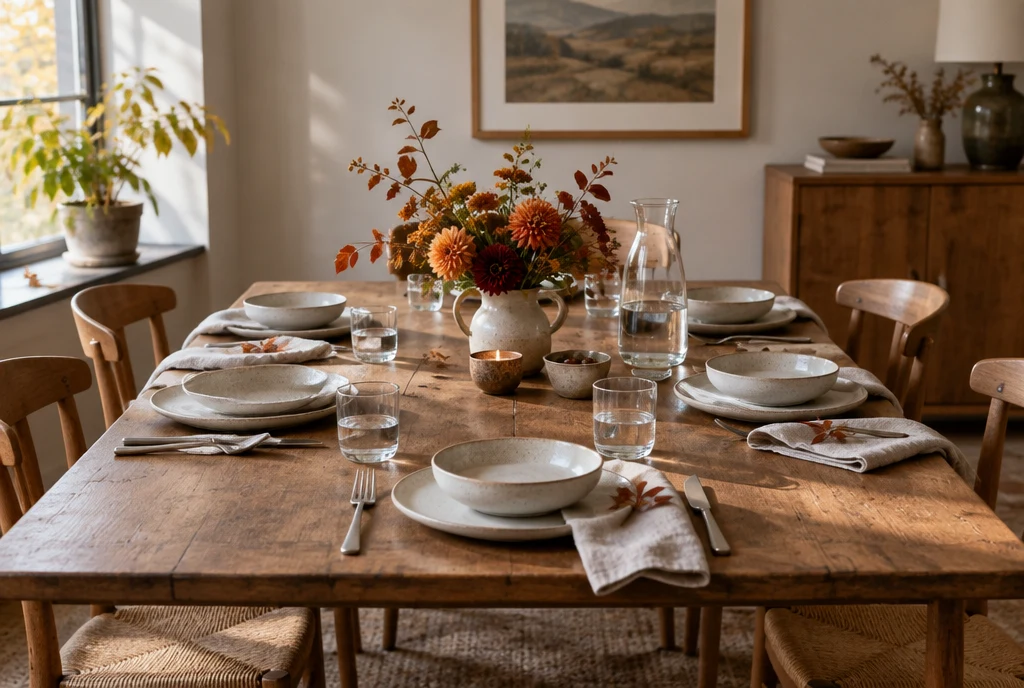
Matching dishes are optional. Comfortable chairs, enough light and
easy access to water are not. Cloth napkins can make a weekday table
feel special, but clean everyday ones work. A low bowl of leaves or
supermarket flowers keeps sight lines open; a towering centrepiece does
not.
Place food where people can help themselves, especially side dishes.
Passing one platter invites interaction. Passing seven creates traffic.
If the table is small, keep water and extra dishes on a nearby
counter.
Your guests are not evaluating a showroom. A visible stack of mail
can be moved. A whole-home purge can wait.

Keep food safety simple
Low-stress hosting still needs a few firm habits. Health Canada
advises keeping perishable food out of the temperature “danger zone”
between 4 C and 60 C. Refrigerate leftovers within two hours, use
shallow containers so they cool quickly and reheat leftovers to 74 C. A
digital food thermometer removes guesswork.
If dinner lingers, move perishable dishes into the refrigerator
rather than leaving them on the table for the rest of the evening. Label
a container for anyone taking food home. These small routines protect
the relaxed ending you worked to create.
Let the conversation
do some of the work
Not every dinner needs an agenda, but a table can benefit from one
good opening. Ask about something people are looking forward to, a
recent small win or a place they would return to. Avoid turning the
evening into a round of forced disclosures.
Seat people where conversation can move. If two guests know only you,
introduce them with a point of connection rather than a résumé. “You
both started gardening this year” is more useful than a list of job
titles.
Most important, sit down. The final vegetables do not need another
inspection. The host’s attention gives everyone else permission to
settle.
End before exhaustion
A satisfying evening does not have to become a late night. Coffee or
tea can signal the last chapter. Send guests home with leftovers only if
they want them. Stack dishes, refrigerate food and leave the serious
cleanup for the morning.
The best test of a stress-free dinner party is not whether every
plate matched or the kitchen stayed spotless. It is whether you would be
willing to do it again. Keep the menu simple enough, the guest list
comfortable enough and the preparation light enough that the answer is
yes.
Sources
- Health Canada. Canada’s Food
Guide. - Health Canada. Food
safety tips for leftovers. - Health Canada. Safe
internal cooking temperatures. - World Health Organization. (2025). Report
of the WHO Commission on Social Connection.