
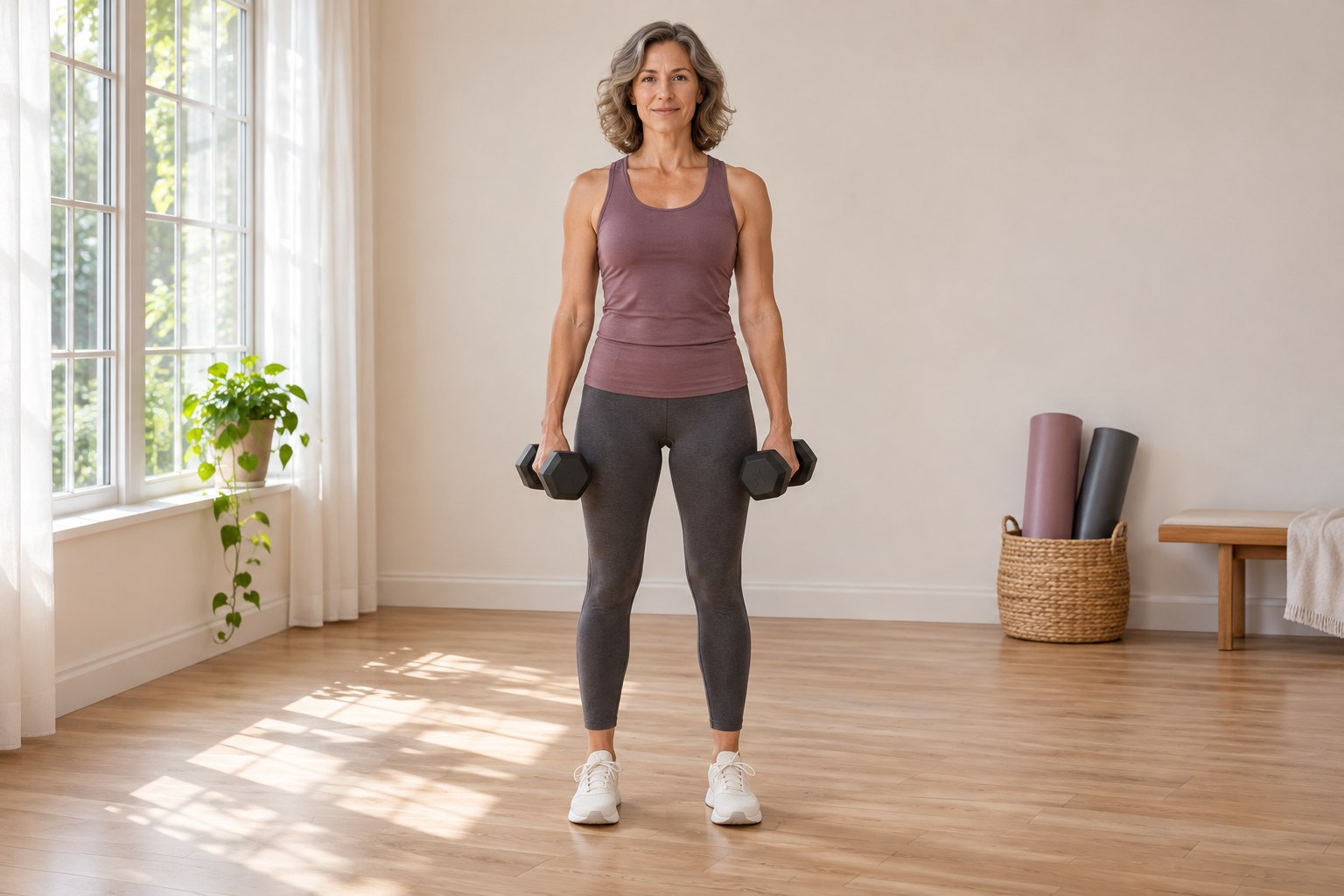
2027 fitness trends for women over 40 do not have to become a shopping list. The newest industry forecast includes wearables, Pilates-style movement, strength training and programmes designed for active ageing. The useful question is not which trend is winning. It is which ideas make an ordinary week easier to repeat.
The American College of Sports Medicine’s annual trends survey reflects the views of exercise professionals and the direction of the fitness industry. It is not a clinical trial and it does not prove that a popular workout is best for every person. Still, the 2027 ACSM forecast, released in October 2026, offers a timely look at what trainers, clubs and clients are likely to see more often.
For women 40+, three themes are worth carrying into the new year: use data lightly, make room for movement quality and keep resistance training uncomplicated.
Fitness trend one: let wearables inform, not command
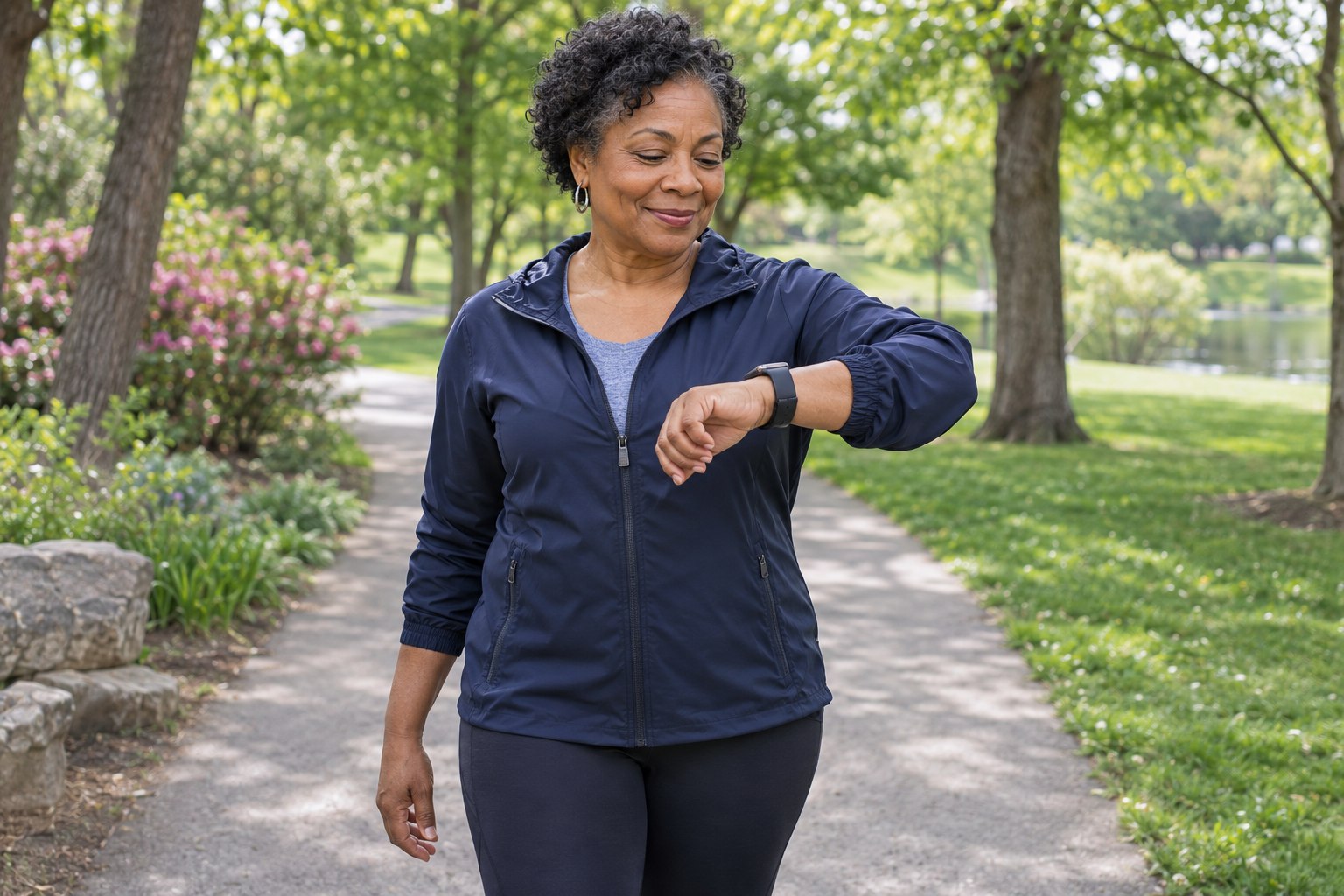
Wearable technology remained the top-ranked trend in ACSM’s 2027 survey. A watch can make movement visible: steps accumulated, workouts completed, a walking route repeated or a reminder that several quiet hours have passed. That feedback can be useful when it supports a behaviour you have already chosen.
It becomes less useful when every number feels like a grade. Consumer devices estimate many measures rather than directly testing them in a laboratory, and accuracy varies by device, activity and person. Treat a trend line as a prompt for curiosity—not a diagnosis or a verdict on whether a workout “counted.”
Choose one measure that matches your real goal. If you want a steadier walking habit, track weekly walks or active minutes. If recovery matters, note sleep alongside how rested you actually feel. If a device adds pressure without helping a decision, turn off a few alerts. The tool should serve the routine.
Fitness trend two: practise balance, flow and core control
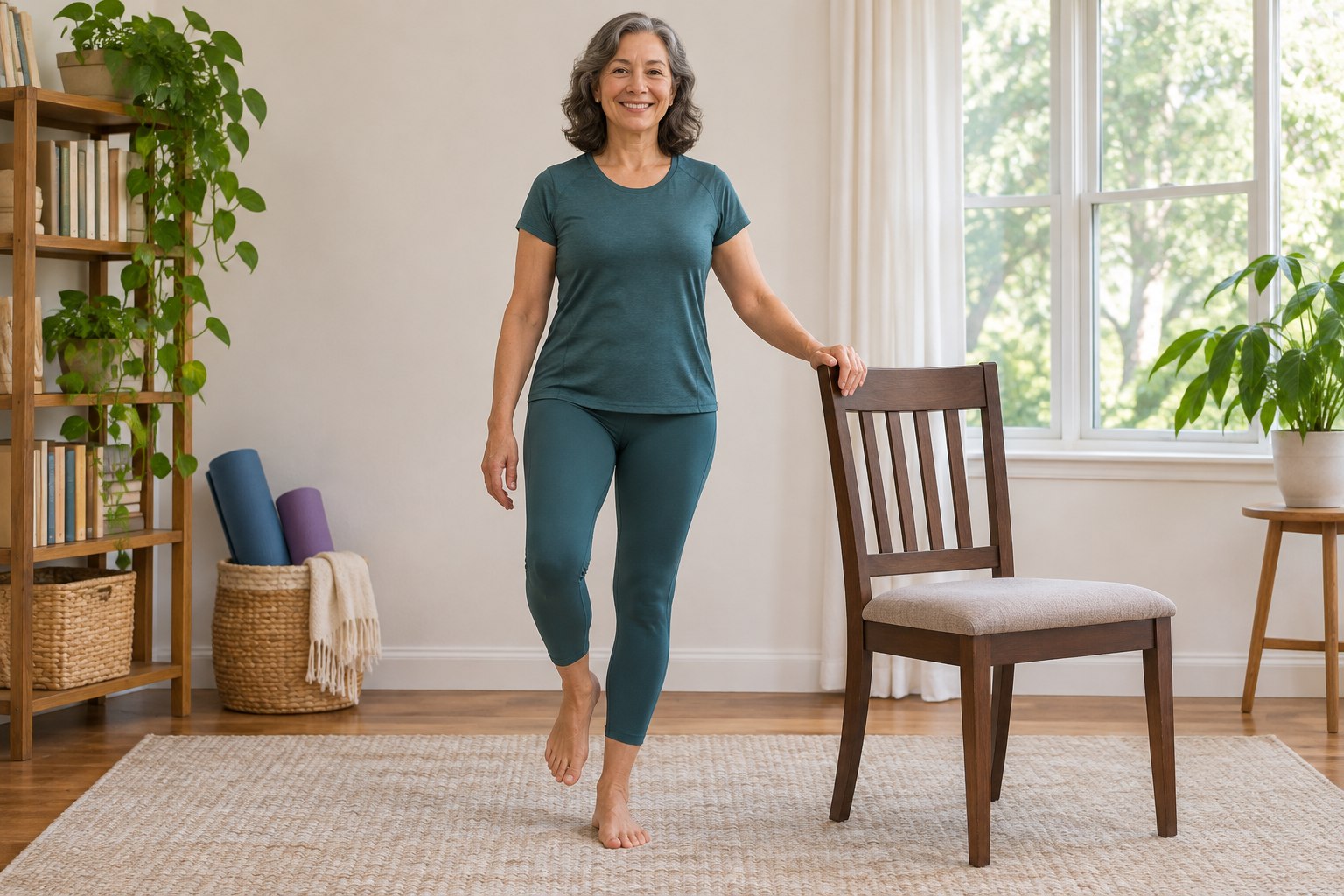
Pilates, yoga, barre and related formats rose into the top three of the 2027 forecast. Their popularity is easy to understand: they combine strength, attention and movement control, often with equipment that feels less intimidating than a crowded weight room.
You do not need to adopt a new identity as a “Pilates person” to use the principle. Add five minutes of deliberate movement to the beginning or end of two workouts. Try a supported single-leg stand, a slow body-weight squat, a controlled bird dog and a gentle rotation through a comfortable range. Move slowly enough to notice where you compensate.
Balance practice should be set up so a wall, rail or stable chair is close enough to use. The aim is a repeatable challenge, not a dramatic wobble for social media. On days when energy is lower, a short flow session can also keep the appointment with yourself without pretending every session must be hard.
Fitness trend three: keep strength training simple
Resistance training also moved higher in the 2027 list. More importantly, ACSM’s 2026 resistance-training guidance reviewed 137 systematic reviews representing more than 30,000 participants. Its broad message was reassuring: consistency matters more for most healthy adults than complicated programming.
That means you can stop waiting for the perfect split, machine or rep scheme. A useful foundation trains the major movement patterns across the week: squat or sit-to-stand, hinge, push, pull and carry. Bands, dumbbells, machines and body weight can all provide resistance when the effort is appropriate.
If you want a straightforward place to begin, D’FYNE’s two-day strength plan keeps the structure manageable. If you already train regularly, power training after 40 explains how a small amount of purposeful speed can fit on top of a strength base.
A practical 2027 fitness week
Trends become useful when they fit into a calendar. Here is one example, not a rule:
- Monday: full-body resistance training; record the session, not every possible metric.
- Tuesday: an easy walk with a friend or a local club.
- Wednesday: ten to twenty minutes of balance, core and flow work.
- Thursday: rest or everyday movement.
- Friday: a second full-body resistance session.
- Weekend: golf, dancing, cycling, pickleball or another activity that feels like life rather than homework.
This mix also reflects another current fitness theme: people want movement that supports social connection and daily capability. A sport club or walking group can make consistency easier because the activity has a place, time and people attached to it. D’FYNE’s story on why walking clubs have become a social ritual offers a low-pressure version of that idea.
What to skip
Skip the belief that a trend requires a purchase. A wearable is optional. A flow practice can happen on a clear patch of floor. Strength can begin with a band, a backpack or a set of movements you already know.
Also skip the urge to add everything at once. Choose one change that solves a real problem. If workouts feel rushed, add a short flow warm-up. If strength sessions have become elaborate, simplify the plan. If motivation disappears when you train alone, try a recreational league or regular walking date.
The best part of a forecast is permission to look forward. The smartest part is deciding what not to chase. In 2027, let technology provide information, let movement quality earn a place beside intensity, and let a simple strength routine do its quiet work.
This article provides general fitness information for healthy adults. Choose movements appropriate to your experience and seek individual guidance when needed.