
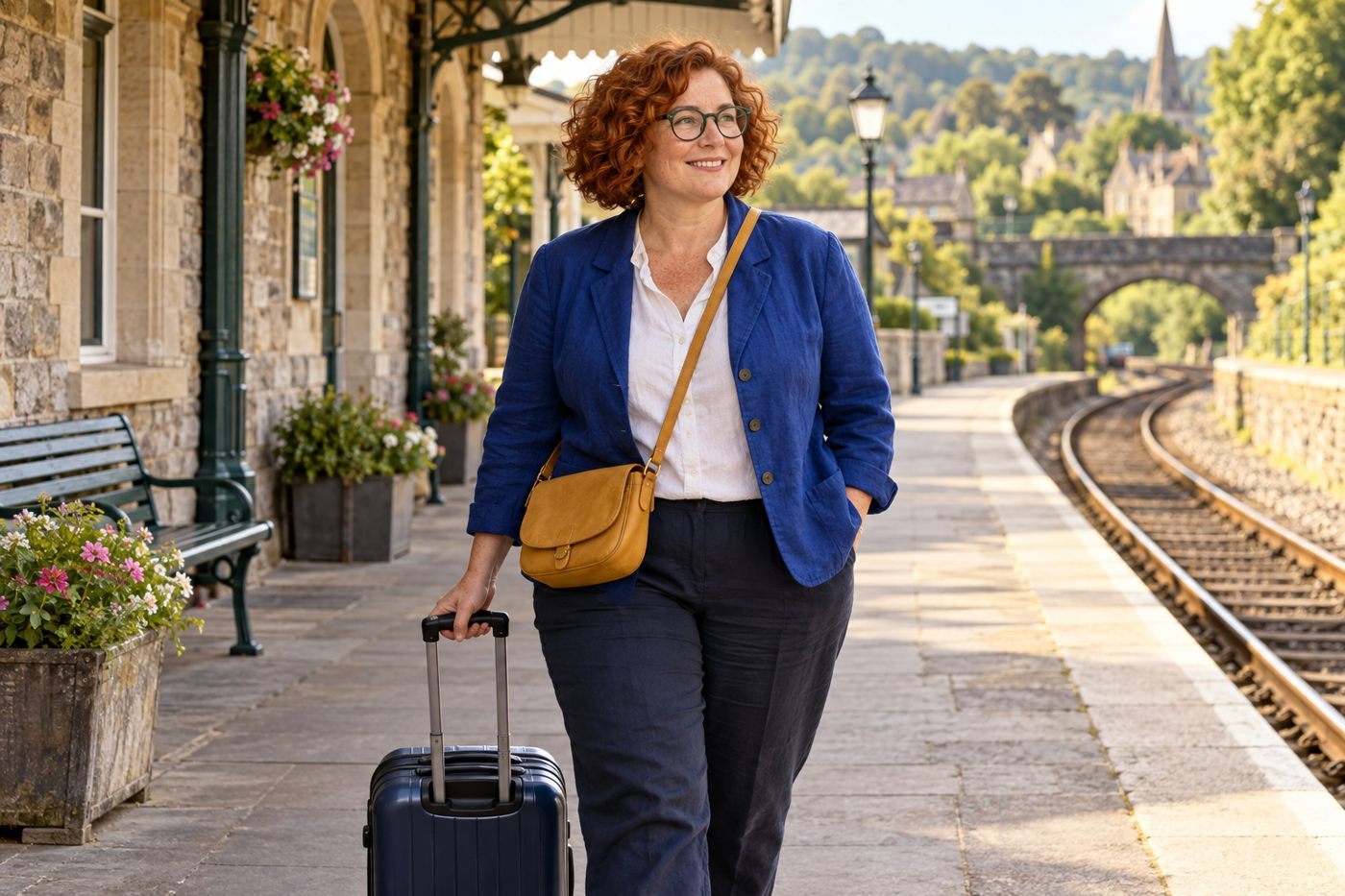
Solo travel for women over 40 does not have to begin with a one-way ticket, a remote trail or a sudden reinvention. It can begin with one night in a nearby city, a museum you have wanted to see and the quietly radical pleasure of choosing the day for yourself.
The first trip is less about proving fearlessness than designing conditions in which confidence can grow. You decide the pace, the budget and the amount of connection you want. You also make a plan solid enough that curiosity—not logistics—gets most of your attention.
Why the idea keeps calling
Travel remains a priority for adults in midlife and beyond. AARP’s 2026 Travel Trends study found that 64 per cent of surveyed adults age 50-plus expected to take at least one leisure trip during the year, even as cost concerns shaped their plans. That finding is not specifically about solo travel, but it captures the larger appetite: travel is still part of how many people imagine a full life.
Going alone can remove the negotiation that sometimes delays a trip for years. You do not need matching vacation dates, identical interests or agreement about whether the morning starts at a gallery or a golf course. The trip can reflect who you are now.
That intention matters. D’FYNE recently explored how women 40+ are travelling with more purpose. A solo trip takes that idea one step further: the “why” belongs entirely to you.
Start smaller than your imagination
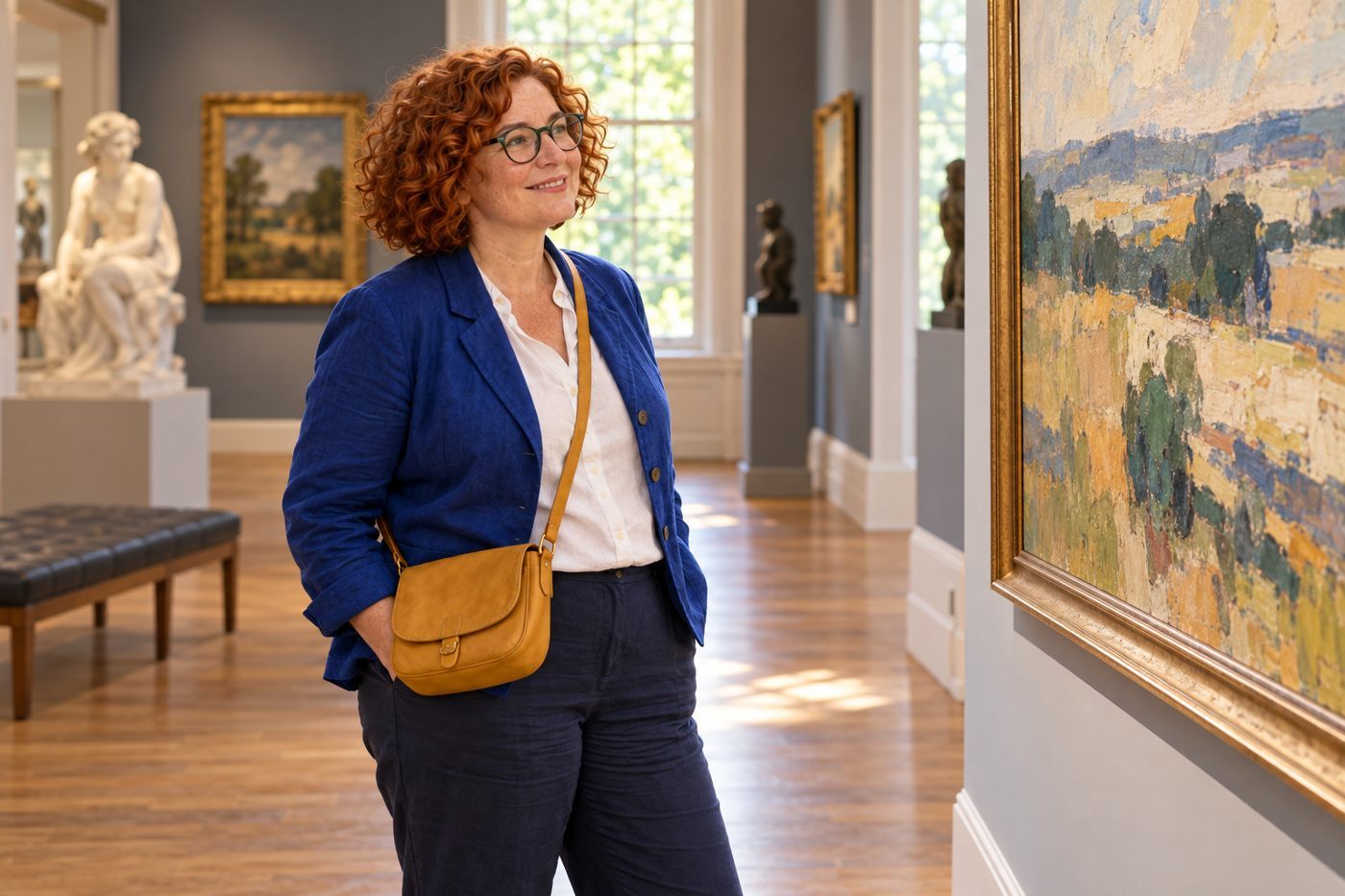
Your first solo trip is a prototype, not a final exam. Choose a destination with easy transportation, reliable accommodations and enough familiar language or infrastructure to reduce friction. A direct train ride, a short flight or a two-hour drive may offer exactly the right amount of novelty.
Two nights is long enough to experience arrival, a full day and departure without making the trip feel endless. Pick one anchor activity—a concert, food tour, gallery exhibition, spa appointment or guided walk—then leave space around it. A packed itinerary can feel reassuring on paper but exhausting when every decision is yours.
Solo travel for women over 40: design for ease
Book the first night before you leave and favour an area where you can reach food, transit and your main activity without a complicated late arrival. Read recent reviews for patterns, especially comments about location, lighting, noise and front-desk availability. Confirm check-in hours and transportation from the station or airport.
Make one page of essential information that works without internet access: accommodation address, reservation numbers, emergency contacts, insurance details and the local number for emergency services. Keep a copy separate from your phone.
For Canadians travelling internationally, the Government of Canada recommends checking official Travel Advice and Advisories during planning and again just before departure. Its free Registration of Canadians Abroad service can send information before or during a natural disaster, civil unrest or another emergency.
Create a connection plan, not a surveillance plan
Independence feels better when someone knows the outline. Share your accommodation and main transportation details with one trusted person. Agree on a simple check-in rhythm, such as a morning message and an evening “back at the hotel.” The plan should support you without turning the trip into constant reporting.
The Government of Canada’s guidance for women travellers also recommends learning local laws and customs, planning how to stay in touch, keeping accommodation details private and avoiding real-time posts that reveal your exact location. Use licensed, reputable transportation and research how local services operate before you need them.
These steps are not meant to make the world feel threatening. They reduce preventable uncertainty so you can relax into the experience.
Budget for confidence
The cheapest option is not always the best first-trip option. Build a small “ease fund” for the choices that lower stress: a taxi after dark, a central hotel, reserved seating or a flexible ticket. At the same time, choose where you are happy to save—breakfast from a bakery, free gallery hours or public transit during the day.
Estimate the full trip, including transportation, accommodation, meals, activities, insurance and a contingency amount. Seeing the total early is more empowering than discovering it one tap at a time.
Plan moments where connection can happen
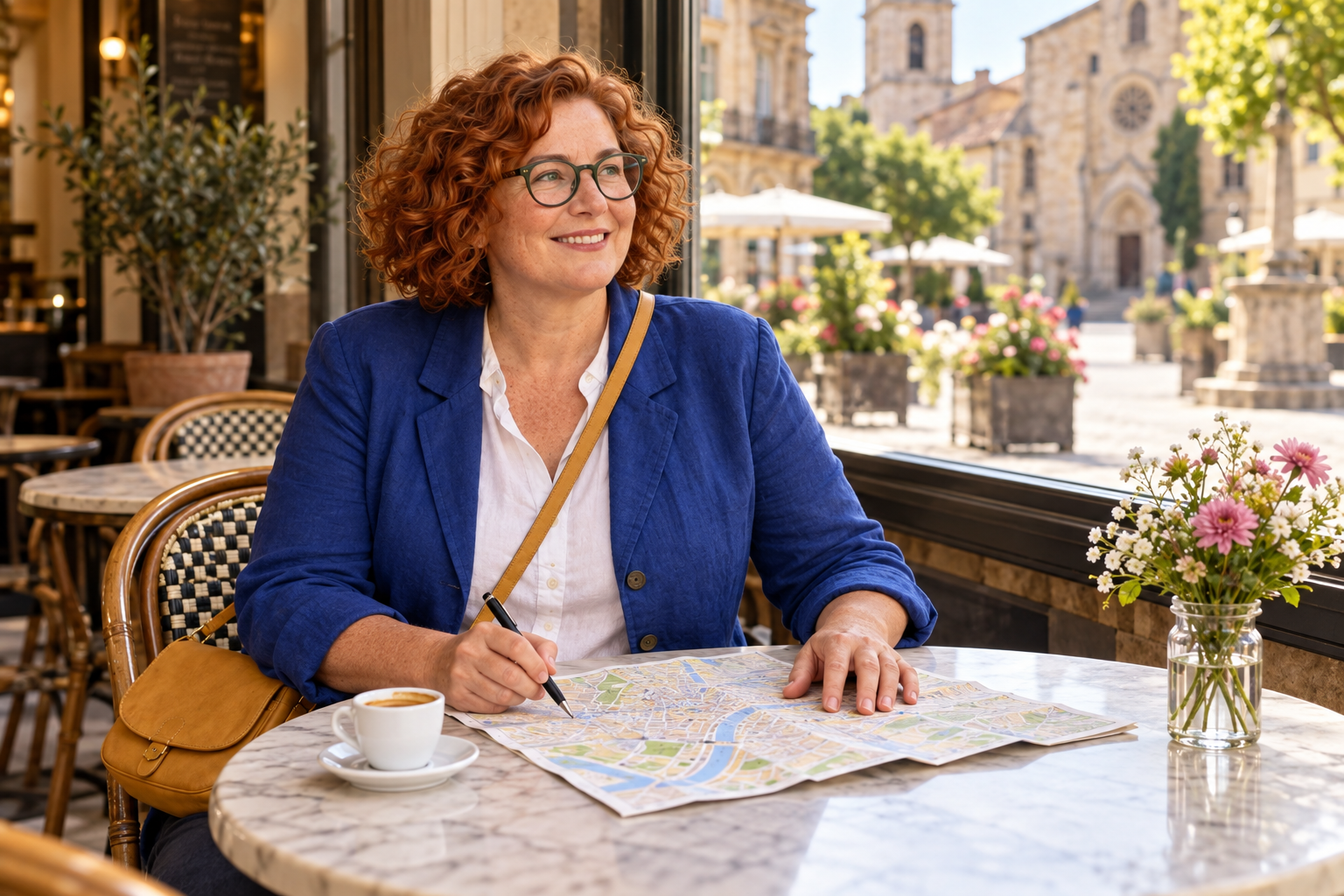
Solo does not have to mean isolated. A daytime walking tour, small cooking class, museum talk or group excursion gives the day shape and creates low-pressure conversation. Sit at the bar or communal table if that feels comfortable. Ask the hotel desk for a nearby place that is welcoming to a person dining alone.
Also protect some quiet. Order room service, read in a café or return early without apologizing to anyone. The gift of a solo trip is not meeting a quota of brave experiences. It is noticing what restores you when nobody else is setting the schedule.
Give yourself an exit ramp
Confidence includes permission to change course. If an area feels wrong, leave. If the long excursion suddenly feels like too much, take the shorter one. If you become lonely, call home or join a guided activity. Flexibility is not failure; it is one of the skills solo travel teaches fastest.
When you return, write down what worked: the bag you actually used, the pace that felt good, the moments you loved and the arrangements that reduced stress. Your second solo trip will be easier because the first gave you evidence—not that you were fearless, but that you could make sound decisions for yourself.
Begin close to home if that is what gets you out the door. Independence is not measured in kilometres. Sometimes it is simply the moment you arrive, set down your bag and realize the next choice is entirely yours.