

Imagine returning from a trip with more than photographs. You can
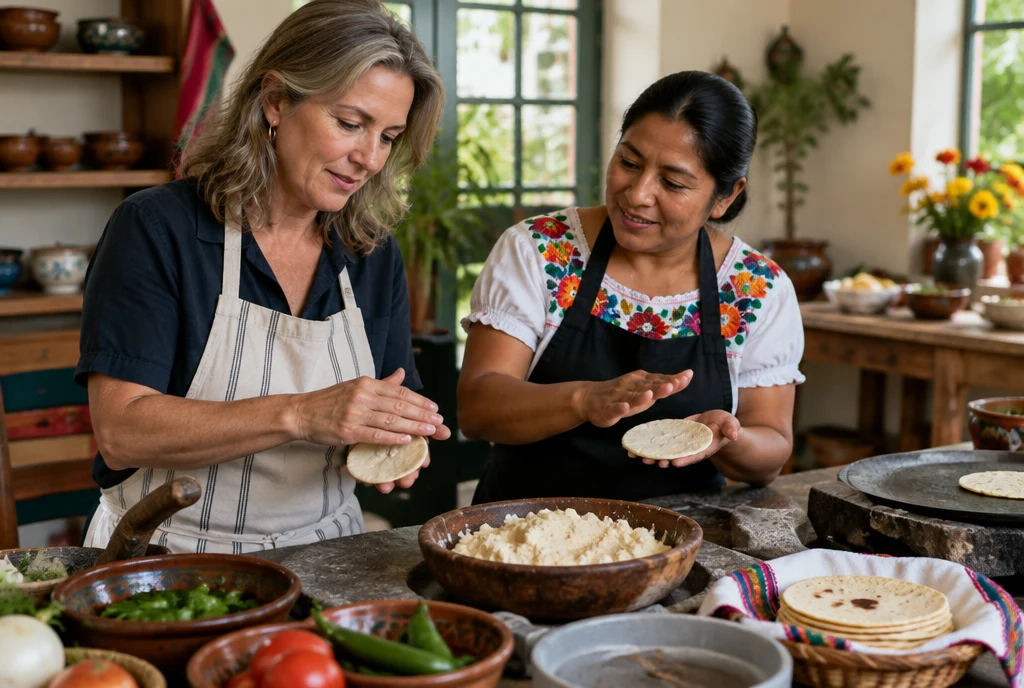
explain why a temple roof curves the way it does. You know how masa
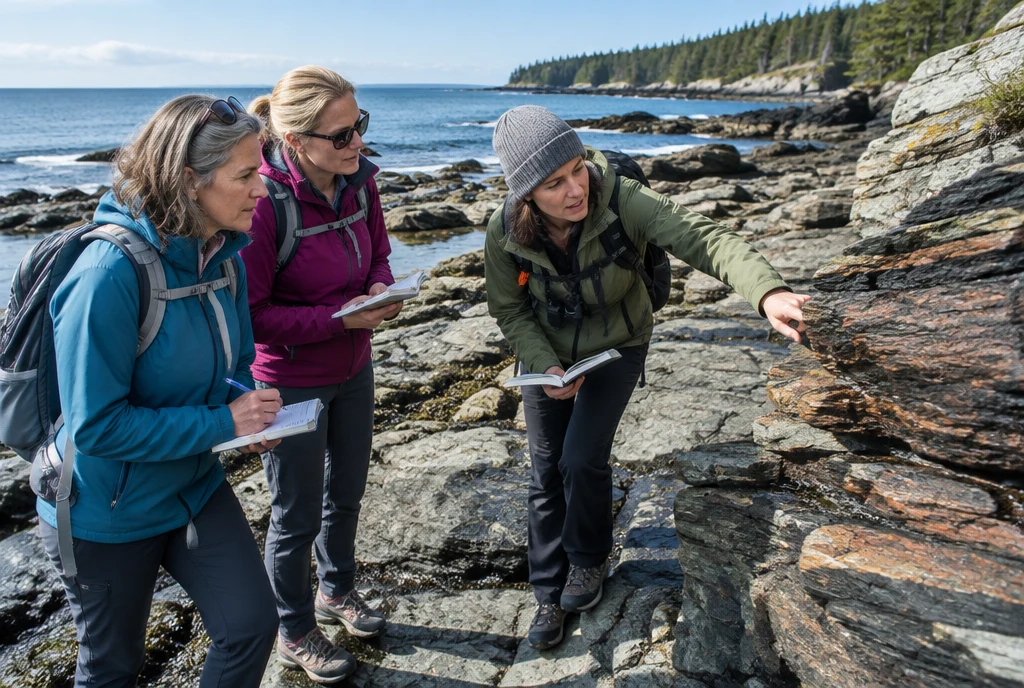
should feel under your palms. You can identify the bands of rock along a
tidal coast because someone showed you where to look.
Learning vacations after 40 put curiosity at the centre of the
itinerary. They are not school with better weather, and they do not
require expertise. The appeal is the chance to stay with a subject long
enough for a destination to become more than a backdrop.
That idea fits a wider change in how older travellers are planning.
AARP’s 2026 travel study found that nearly two-thirds of adults 50-plus
surveyed planned to travel during the year. Cultural immersion, heritage
travel and bucket-list experiences were among the influences shaping
destination choices. The finding is U.S.-based, but Canadian data also
show strong interest in travel: Statistics Canada reported that overseas
visits by Canadian residents rose 10.2 per cent in 2025 from the
previous year.
What makes a trip a
learning vacation
A museum visit can teach you something, but a learning vacation is
usually designed around a clear subject and repeated engagement. It
might include a local historian, studio practice, guided field
observation, language sessions or a market visit followed by a cooking
class.
Road Scholar, a not-for-profit educational travel provider, describes
the format as expert-led visits and hands-on learning organized around
learning objectives. That distinction matters. A standard tour may tell
you what you are seeing; an educational trip gives you time to ask why,
try something yourself and connect one day’s lesson to the next.
The category is broad. You might join an architecture workshop in
Kyoto, study coastal geology in Atlantic Canada, learn textile
traditions in Mexico, photograph migrating birds, practise French in
Quebec City or follow an artist’s work through several European
towns.
Learning
vacations after 40 are not about proving anything
There is no test at the end. You do not need to arrive prepared to
perform. The strongest programs welcome beginners and explain the
physical and academic expectations clearly.
For women in midlife and beyond, that can make travel feel newly
purposeful. A subject provides structure without filling every minute.
It also creates a natural reason to talk with other travellers. You
already share a question, a workshop table or a view through
binoculars.
This is different from travelling alone simply to prove you can. If
independence is the main goal, D’FYNE’s guide to your first solo
trip after 40 is a better starting point. If you want a broader
framework for meaningful travel, The Trip
With a Why explores how purpose can shape an itinerary. A learning
vacation goes one step further by making the purpose specific.
Choose the subject
before the destination
Many travellers begin with a famous place, then search for something
to do there. Reverse the order. Ask what you would happily spend three
mornings learning.
Start with a subject: food, history, art, ecology, music, language,
architecture or craft. Then decide what kind of participation you want.
Do you prefer lectures, demonstrations, daily practice, field trips or a
mix? A cooking-focused traveller may want to work at the stove; another
may prefer markets, farms and tasting sessions.
Next, check the instructor’s qualifications and the program’s
connection to local people. “Expert-led” should mean more than a
charismatic host. Look for named faculty, guides, artisans or
researchers and a clear explanation of their role. Programs should
compensate local expertise and represent culture with respect rather
than turning it into scenery.
Read the physical details
closely
The word “educational” does not guarantee a gentle pace. A day of
architectural study may involve hours of walking and standing. A coastal
field program may include uneven rock, wind and stairs. Read the
activity level, daily schedule and accessibility notes before paying a
deposit.
AARP’s 2026 findings emphasize that health and accessibility
considerations shape how adults 50-plus travel; they do not necessarily
stop them. Ask direct questions about walking distance, elevation, rest
stops, transportation, luggage handling, room access and washrooms. A
good operator should answer specifically.
Also check the size of the group. Twelve learners may offer access
and conversation that forty cannot. But a very small group can feel
intense if the days are highly structured. Choose the social rhythm that
suits you.
Protect room for ordinary
travel
Curiosity needs breathing space. A program that schedules every meal,
evening and transfer can become another form of rushing. Look for free
afternoons or add two independent nights before or after the course.
That unscheduled time lets you return to a place that caught your
attention, rest without apology or practise what you learned. It also
creates the sensory memories that make travel personal: a quiet
breakfast, a neighbourhood walk, the sound of a workshop opening for the
day.
Budget beyond the advertised price. Compare what is included:
accommodation, meals, local transport, admissions, equipment, tips and
single supplements. If flights are separate, price them before
committing. Statistics Canada’s 2025 data show overseas travel spending
rose along with trip volume, a reminder that a meaningful itinerary
still needs a clear financial plan.
Bring the learning home
The trip does not need to end at baggage claim. Keep a small field
notebook instead of relying only on your phone. Record names, methods,
questions and the details that will not be obvious in a photograph.
After returning, choose one continuation. Cook one dish again. Attend
a local lecture. Organize a small photo essay. Read the book your guide
mentioned. Share what you learned without presenting yourself as an
authority on someone else’s culture.
The best souvenir may be a sharper way of looking. Learning vacations
after 40 can turn travel from a list of places into a practice of
attention – proof not that you mastered a subject, but that your
curiosity still has somewhere to go.
Sources
- AARP. (March 10, 2026). 2026
Travel Trends for Adults Age 50 and Older. - Statistics Canada. (May 29, 2026). National
Travel Survey and Visitor Travel Survey, fourth quarter 2025. - Road Scholar. Trends
and Innovations in Educational Travel for Adults. - OECD. (2026). Tourism
Trends and Policies 2026: Canada.